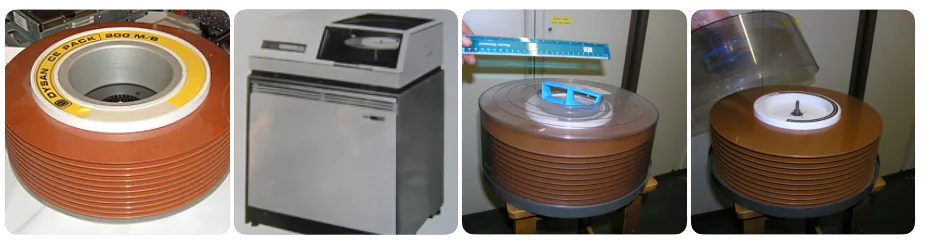
We live in an era of digital abundance, but ironically, we are building our legacy on quicksand. And when I say abundance, believe me. I’ve swapped out many a “pot” (disk pack), those removable platter disks. We’ll talk about them one day.
“The Future Isn’t in the Cloud… It’s in Glass”
Today, just a click and a credit card and bam! Habemus Diskum! (We have a disk!)
All of us tech warriors have felt that sinking feeling (and in my case, even a heart attack) when trying to open a file from a ten-year-old external hard drive and hearing that “click-click” of death.
The stark truth is that our current storage methods are fragile. But a radical change coming from labs in Cambridge, UK, promises to change the game: storage in quartz glass.
The Problem: The Tyranny of “Cold Data”
It’s estimated that between 60% and 80% of all data generated in the world is “cold.” This includes social media posts, blogs, articles, family photos, medical records, tax documents, and YouTube videos that are rarely accessed but cannot be allowed to disappear.
Today, maintaining this data is an expensive exercise in persistence. HDDs last, at best, 5 to 10 years. Magnetic tapes (LTO), the gold standard for archiving, require migration every 15 to 20 years and strict temperature control, plus a hefty dose of patience.
We are in an endless cycle of “copy and paste” to new generations of hardware just to prevent the bits from fading away. The real cost isn’t the disk; it’s the life support.
Project Silica: Writing with Light for Eternity
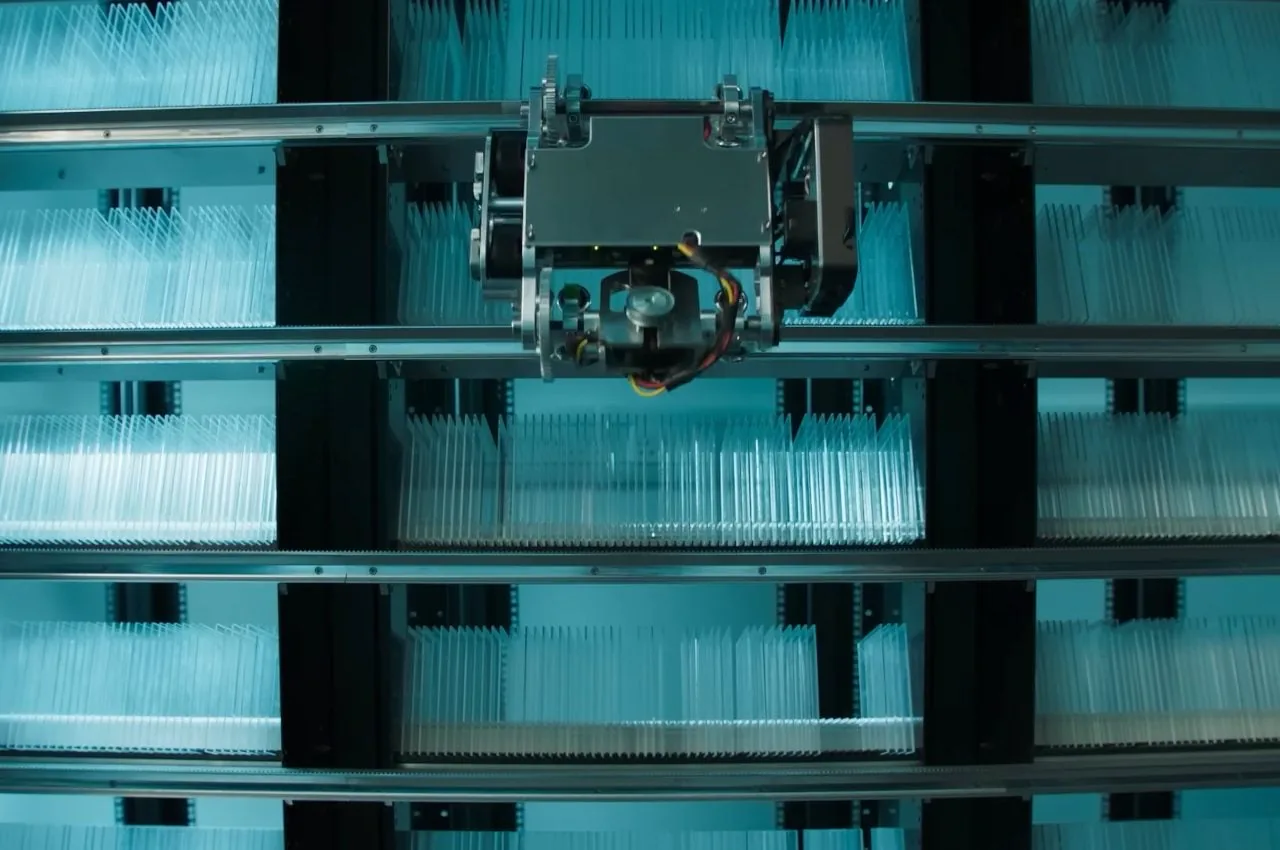
Microsoft Research, along with innovative startups, is perfecting Project Silica. The idea is simple and brilliant: use femtosecond lasers to write data inside quartz glass plates.
Let’s repeat that: Putting Data Inside Glass (like canned preserves, get it?!)
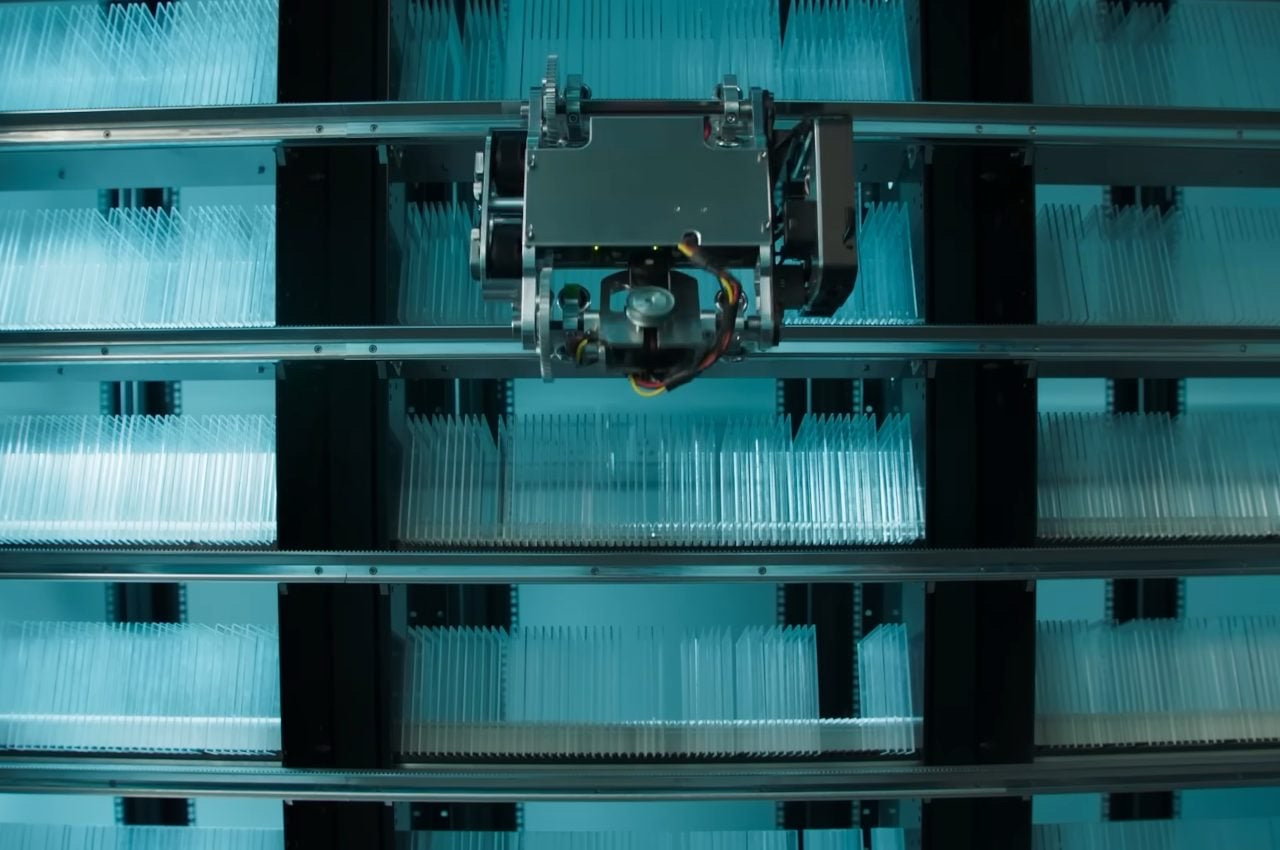
Yanko Design — “Microsoft’s Project Silica glass storage panels look right out of sci-fi”
Brilliant Idea: Fast, cheap, and it will last “forever.” The biggest saving will be in the fact that you write it once and, literally, forget it.
Unlike a CD, where the data is on the surface, in glass, the data is inside the molecular structure.
- Resistance: It can be baked, boiled, scoured with steel wool, and flooded.
- Duration: The data remains readable for 10,000 years.
YouTube, the Cloud, and the Archive of Humanity
Think about “YouTubio.” Oh, and I chose it as a reference because at home, we’ve ditched broadcast TV and cut way back on streaming… 80-90% is just “TubeTube.” Billions of hours of video that represent the culture of our century. For Google, keeping this spinning on magnetic disks consumes a colossal amount of energy in cooling and electricity.
Social networks and video platforms are the number one candidates for this technology. Imagine moving the entire historical archive of videos from 2005-2020 to glass plates that take up less space and consume zero energy while sitting on a shelf. The environmental and financial impact would be revolutionary.
When can we use it?
It’s not a matter of “if,” but “when.” The timeline is clear:
- Phase 1 (2026-2027): Elite archiving. Major film studios and government agencies are already starting to use glass to save cultural heritage.
- Phase 2 (2028-2032): Arrival in Data Centers. Azure and other cloud services are expected to offer layers of “Eternal Storage” for businesses.
- Phase 3 (2035+): Democratization. You might not have a laser recorder at home, but you could send your data to a “Digital Time Capsule” and receive your glass plate in the mail.
This old uncle will be 85 winters old in 2035. I’m making a promise to you all right here: I will use it!
Prioritizing the Legacy
Glass storage invites us to shift our focus. It’s no longer about how fast we can read data (IOPS), but about how long we can keep it alive.
In a world where everything is ephemeral (getting philosophical about tech here), glass gives us back something we lost in the transition from paper to digital: immutability. For the first time in the history of computing, we will be able to say with confidence that our data will outlive us.
Spoiler: This is only until they discover the problems with this technology and find a better one.
Visit our Blog
Learn more about databases
Learn about monitoring with advanced tools

Have questions about our services? Visit our FAQ
Want to see how we’ve helped other companies? Check out what our clients say in these testimonials!
Discover the History of HTI Tecnologia